BVI Marine Conservation and National Park Protection
A visitor’s guide to habitat protection, park access and questions to ask before an island experience.
Table of contents
Visitors can support BVI marine conservation and national park protection by making conservation part of trip planning, seeking current official guidance before entering protected places and avoiding disturbance to habitats. These are editorial recommendations for responsible travel, not a statement of local regulations.
How can visitors support BVI marine conservation and national park protection?
Start with the places an outing proposes to visit, rather than assuming that every sailing, kayaking or snorkeling experience involves the same environmental considerations. Ask whether protected areas are involved and what guidance applies to your planned visit.
The government’s National Parks Trust summary describes work that includes marine conservation, species restoration and reforestation. A separate government statement concerning The Baths and Devil’s Bay identifies the Trust’s responsibility for protecting and managing national parks. For visitors, understanding that conservation role is a useful starting point for choosing how to explore.
What does the National Parks Trust protect?
The Trust’s remit connects national park management with conservation work on marine habitats, species restoration and reforestation. Protection is therefore not simply a question of whether a visitor can enter a particular place; it also concerns the natural environments that park management helps safeguard.
That institutional responsibility is distinct from operating visitor experiences. The Trust’s conservation role does not establish that it runs, endorses or certifies the experiences featured by BVI Island Guide.
Why do coral reefs, mangroves and seagrass matter?
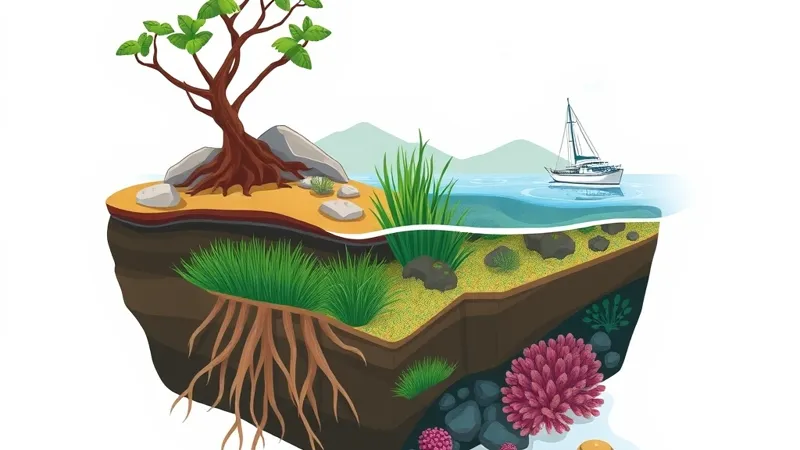
Government remarks on the environment describe coral reefs, mangrove forests and seagrass beds as providing food, shelter and protection for marine species. These habitats matter as living environments, not just as scenery for a day on the water.
As general editorial advice, avoid touching or disturbing habitats, leave natural material in place and keep waste out of the environment. Ask your provider how participants are guided to avoid habitat contact during the proposed activity. These recommendations are not quoted BVI rules, and following them does not establish that an outing has no environmental impact.
What should visitors understand about protection and access at The Baths and Devil’s Bay?
The government news item about protecting public access to The Baths and Devil’s Bay places access alongside the Trust’s park-protection and management responsibilities. A policy statement about protecting access is not confirmation of present entry conditions.
Before planning a visit, seek current official park guidance for the places you intend to enter. Do not treat the public-access statement as evidence of current opening hours, fees, available routes, landing arrangements or unrestricted access.
What should you ask before a sailing, kayaking or snorkeling experience?
Use these questions when discussing a proposed outing with the provider. They are planning prompts, not confirmed policies or inclusions:
- Which places does the proposed itinerary include?
- Are any protected areas involved?
- What current official visitor guidance applies, and where can I read it?
- How will participants be advised to avoid disturbing habitats?
- How is waste handled during the experience?
For context on different types of outings, read the guide pages for a Road Town catamaran experience, Tortola mangrove kayaking and Tortola private snorkeling. These pages are starting points for further questions, not evidence of access permissions, environmental certification or particular wildlife encounters.
BVI Island Guide is an independent editorial affiliate guide, not a tour operator. Questions about a provider’s proposed itinerary and practices should be directed to that provider; current park guidance should come from official sources.
FAQ: What should visitors know before planning a protected-area visit?
Who is responsible for protecting BVI national parks?
The supplied government summary identifies the National Parks Trust as responsible for protecting and managing national parks. Its work also includes marine conservation, species restoration and reforestation.
Why are mangroves and seagrass part of marine conservation?
Government remarks describe mangrove forests and seagrass beds, alongside coral reefs, as providing food, shelter and protection for marine species.
Does the public-access statement confirm that The Baths and Devil’s Bay are accessible now?
No. A statement about protecting public access does not establish current entry conditions. Seek current official park guidance before planning your visit.
Does BVI Island Guide operate the featured tours?
No. BVI Island Guide is an independent editorial affiliate guide, not the operator of the featured experiences.
To put these conservation questions into the context of your trip, explore the BVI Island Guide experience guides.
Sources
The evidence used here consists of supplied source summaries dated October 14, 2026. That date is not a publication date or a claim of live page verification; the summaries do not establish current visitor conditions.
- Government of the Virgin Islands: National Parks Trust — the Trust’s marine conservation, species restoration and reforestation remit.
- Government of the Virgin Islands: Public access to The Baths and Devil’s Bay must be protected — the public-access topic and the Trust’s responsibility for protecting and managing national parks.
- Government of the Virgin Islands: Remarks from the Ministry of Environment, Natural Resources and Climate Change — the food, shelter and protection provided by coral reefs, mangrove forests and seagrass beds.
Before You Go: Quick Planning Checklist
- Check updated weather and sea conditions for your travel dates.
- Confirm ferry windows and arrival timing.
- Book your tour and hotel with flexible options when possible.
- Read local safety guidance before excursions.